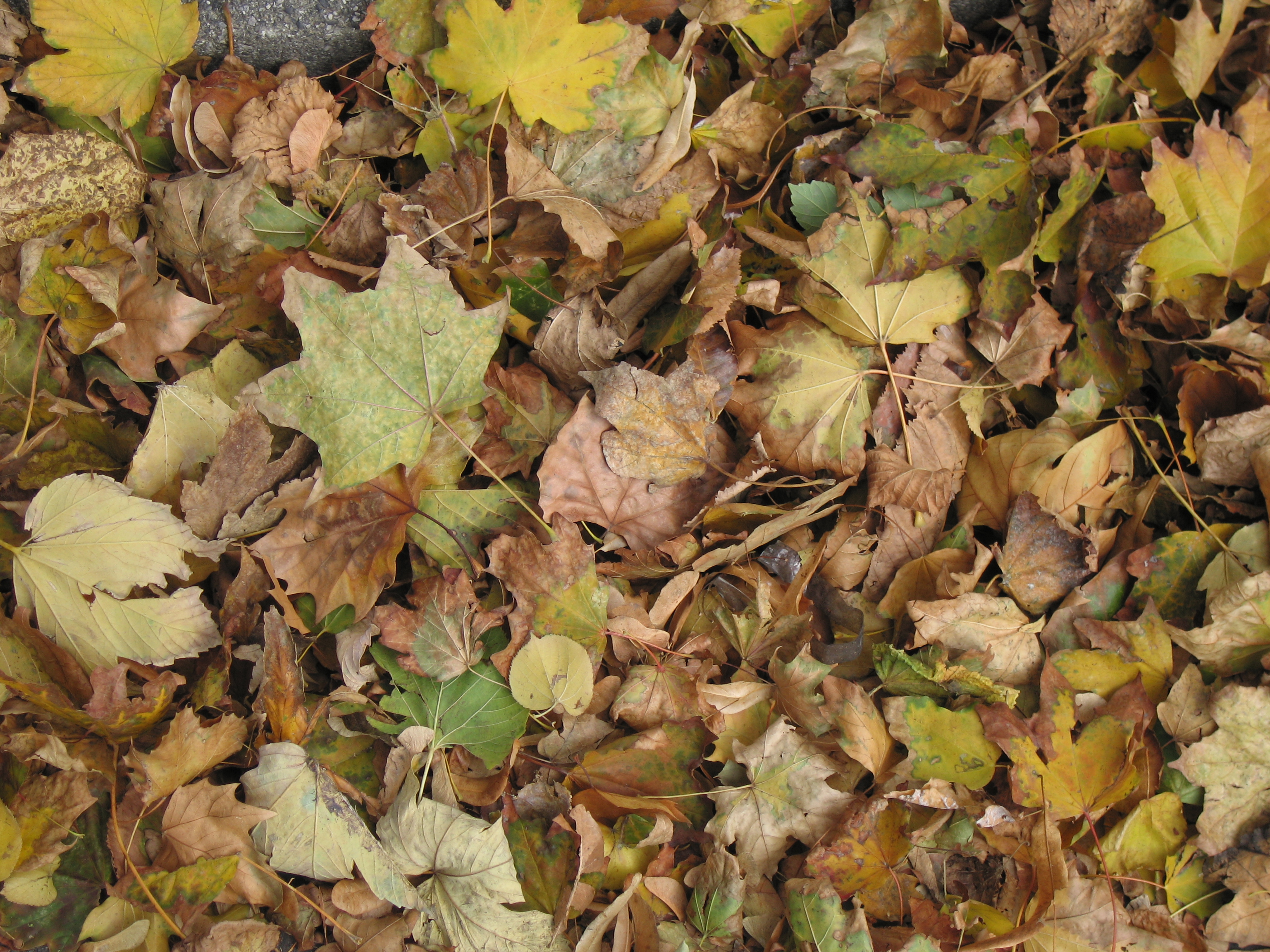
All organic material contains both carbon and nitrogen, but in different proportions. Materials higher in nitrogen are called greens; materials higher in carbon are called browns. Greens are the wet, fresh, fast-rotting items. Browns are the dry, woody, slow ones. A pile that has both, in balance, heats up and breaks down without turning into a slimy or dusty mess.
What counts as a green, what counts as a brown
| Greens (nitrogen-rich) | Browns (carbon-rich) |
|---|---|
| Fruit and vegetable scraps | Fallen, dry leaves |
| Fresh grass clippings | Straw |
| Fresh weeds and plants | Shredded newspaper and plain paper |
| Coffee grounds | Chipped woody debris and sawdust |
| Eggshells | Dry grass clippings |
The ratio
Guidance varies, and that is normal. Some Canadian programs suggest roughly equal amounts of browns and greens by volume; others recommend leaning toward more browns, on the order of two to three parts brown to one part green. The practical takeaway is the same: alternate as you add material, and lean on browns whenever the pile looks or smells wet.
How to layer
- Start with a rough, twiggy bottom layer so air can move up through the pile.
- Alternate after that: a layer of greens, then a layer of browns.
- Always finish with a layer of browns on top. That top layer filters food smells and keeps flies and scavengers from being drawn in.
- Chop or cut larger pieces small. More surface area means faster breakdown.
Moisture and air
The pile should feel about as damp as a wrung-out sponge — moist, not dripping. In a dry spell, add water; if it is soggy, add browns. Aerate roughly once a week with a turning fork or aerator tool to bring oxygen in. Oxygen is what keeps decomposition aerobic, which avoids the sour smell and the methane associated with airless rotting.
Troubleshooting
| Symptom | Likely cause | Fix |
|---|---|---|
| Damp, sweet-smelling, but not breaking down | Imbalance of greens and browns | Re-mix and adjust the ratio; add the missing material |
| Sour or rotten smell | Too wet, too little air, too many greens | Add browns, turn the pile to aerate |
| Pests or scavengers | Wrong items added, or no brown top layer | Remove animal wastes; cap with browns; use a locking-lid bin |
| Fruit flies in late summer | Normal seasonal hatching from fruit peels | Keep a brown layer on top; open, wait, then add scraps |
With the balance sorted, the remaining question is which container holds it all — see compost bin types — and how composting fits into reducing household organic waste overall.