Compost bin types
Enclosed bins, tumblers, worm bins and food digesters — what each handles and where it fits in a Canadian yard or balcony.
Read article →Home composting in Canada
Roughly half of what a Canadian household throws out is organic. This reference covers the compost bins that work in our climate, how to balance greens and browns, and what belongs in a municipal green bin.

What this reference covers
Each topic is a standalone article with concrete steps, a quick-reference table, and links to Canadian municipal and federal sources.

Enclosed bins, tumblers, worm bins and food digesters — what each handles and where it fits in a Canadian yard or balcony.
Read article →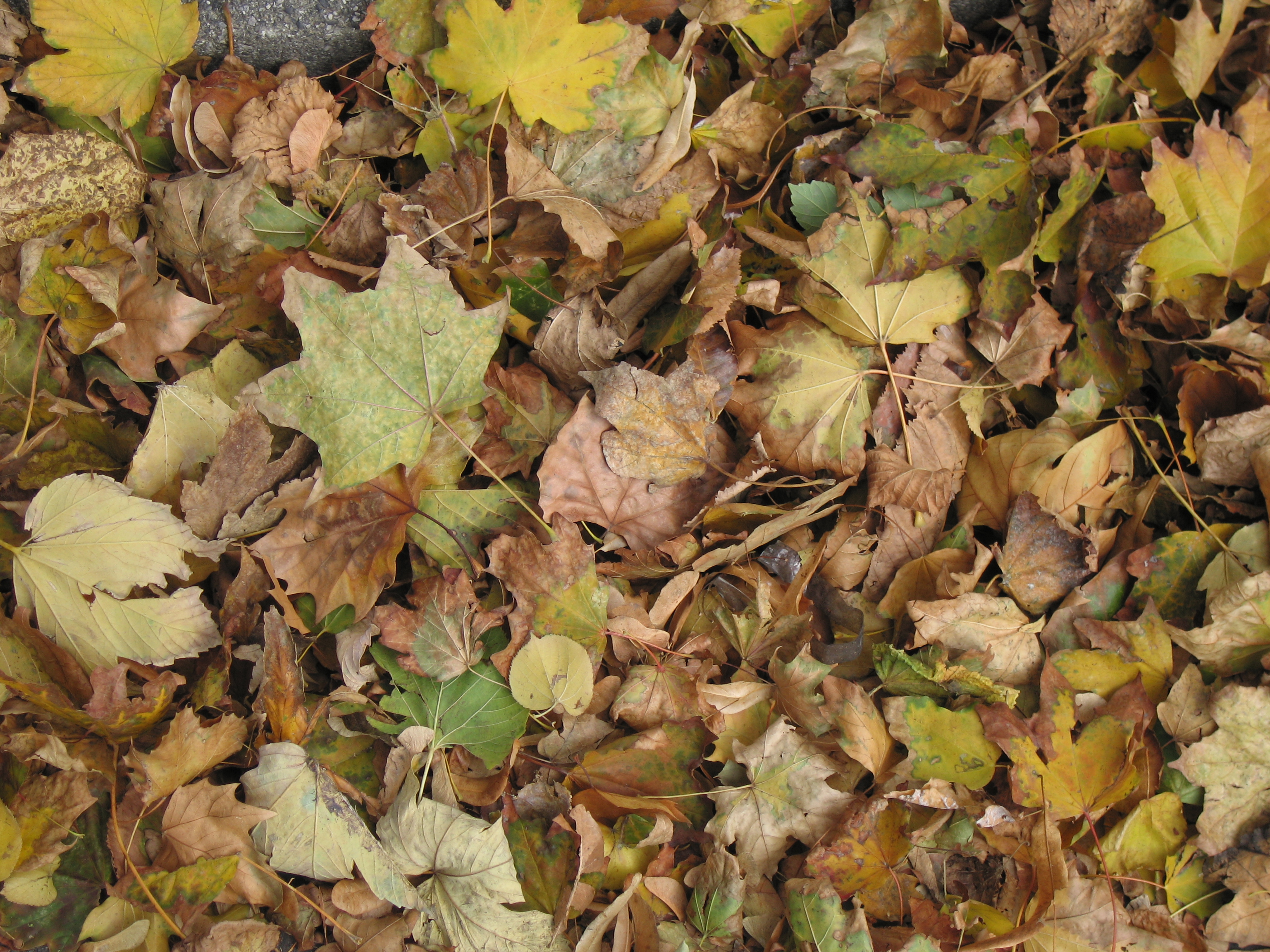
Why nitrogen-rich greens and carbon-rich browns both matter, how to layer them, and how to fix a pile that smells or stalls.
Read article →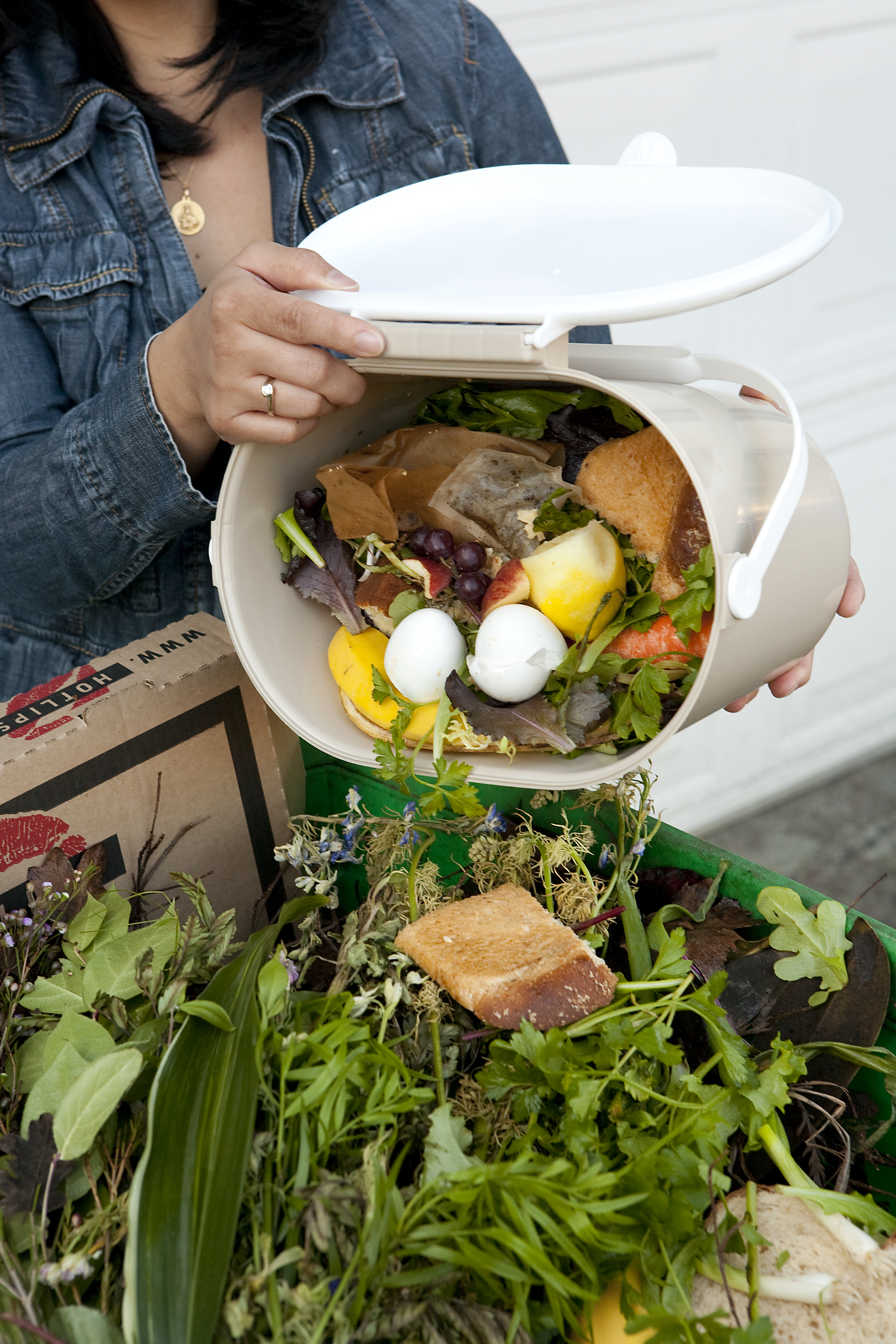
Pairing kitchen habits with backyard or green-bin composting to keep food scraps out of landfill, where they release methane.
Read article →Why it matters
Environment and Climate Change Canada describes organic material — food scraps, leaves, wood and yard waste — as a large share of the waste generated in Canada. When it goes to landfill it breaks down without oxygen and releases methane.
The federal hierarchy of solutions puts reducing waste first, then recovering edible surplus, then recycling what is left through composting or anaerobic digestion. Home composting and municipal green-bin sorting both sit in that recycling step.
Contact
If a detail looks out of date for your municipality, or you spotted an error, use this form. It is a static reference site, so messages are handled manually and there is no account or tracking attached.
For collection schedules, accepted-items lists and bin orders, your local municipality remains the authoritative source.
Start where you are
Read the three core articles, then check your municipality's green-bin page for the local rules that apply to your address.
Read: greens and browns